Conventional Loan Down Payment: How Much Do You Need?
Conventional loan down payment requirements start as low as 3%.
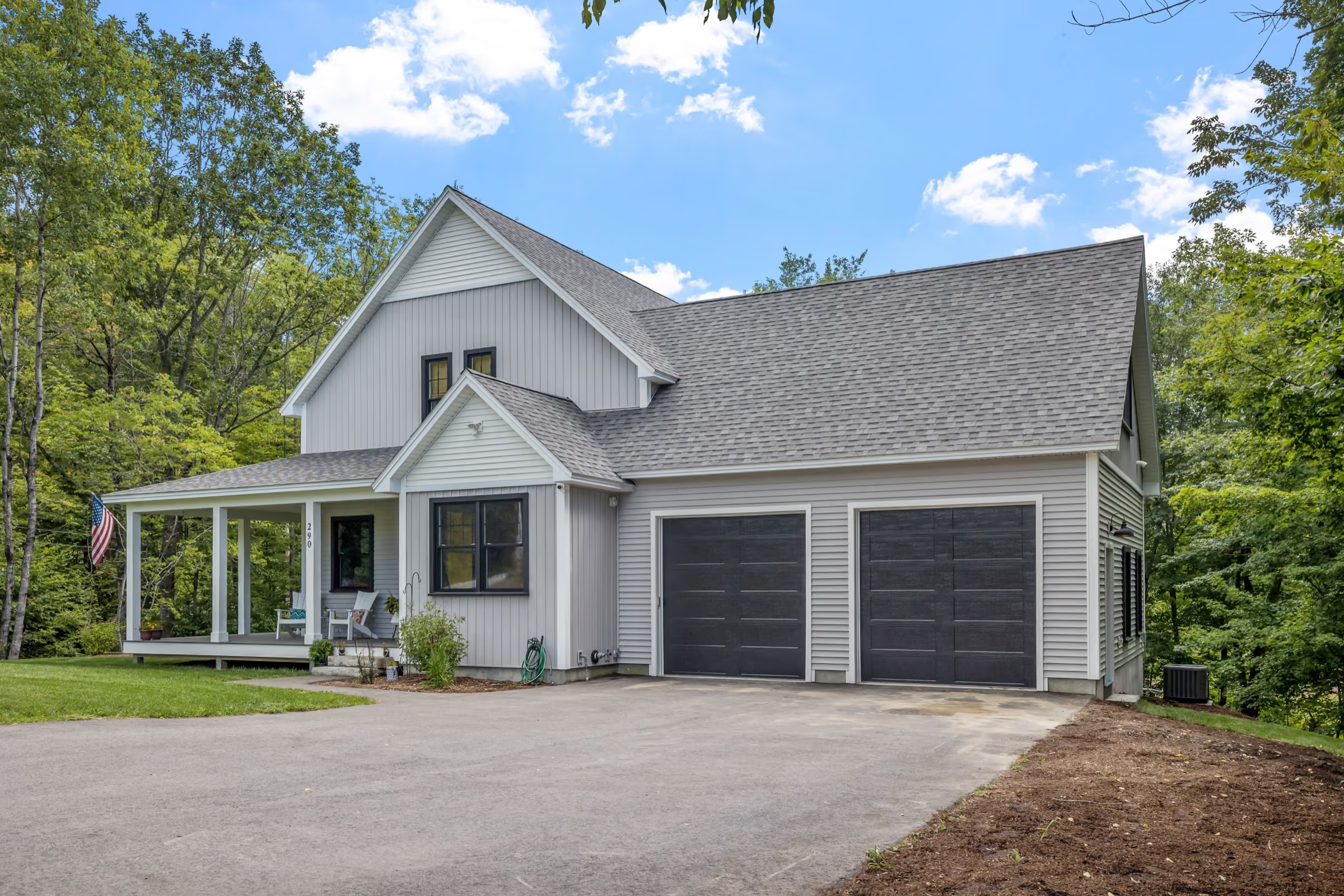
Conventional loans are mortgages that aren't backed by a government agency like the FHA, VA or USDA. Instead, the guidelines for a conventional mortgage typically come from Fannie Mae and Freddie Mac. If you make a smaller down payment, private mortgage insurance (PMI) may be required, which may be canceled once certain requirements are met.

With flexible financing and a variety of down payment and loan-term options, conventional mortgages are great if you’re looking to purchase your first home.
Need more space or a change of scenery? Conventional options offer flexibility to fit your unique homebuying needs and financial situation.
Conventional loans can also finance second homes and investment properties, not only the home you live in.

Conventional loans follow guidelines from Fannie Mae and Freddie Mac, and you can use one to refinance too.
Articles & advice
Conventional loan down payment requirements start as low as 3%.

Paying for PMI on a conventional loan is common. We'll show you how private mortgage insurance works and how to minimize payments.
See what a conventional mortgage can do, and what it asks of you, before you talk numbers.
With a smaller down payment you’ll usually pay private mortgage insurance, and it can be removed once you’ve built enough equity.
Conventional loans can finance a primary home, a second home or an investment property.
Choose a fixed or adjustable rate and the loan term that fits your plans.
Conventional loans look for solid credit. Your loan officer will look at your full picture, not just a score.
You’ll need a down payment, though often less than many buyers expect. With less down, you’ll usually need private mortgage insurance.
Conventional financing offers better terms and rates for buyers with solid income and low debt levels.
Compare side by side
Which is the better fit depends on your eligibility, your savings, and your plans.
FHA, VA, and USDA loans, built for specific situations.
Backed by
Mortgage insurance
Best for
Often a fit with solid credit and some savings.
Backed by
Mortgage insurance
Best for
Use our mortgage calculators to estimate payments, compare options, and make a more informed decision before your next move.
Whether you’re exploring your options, already have a loan with Fairway, or need help finding the right place to go, connect with a loan officer to point you in the right direction.
Hours of Operation:
Monday–Friday | 8:30 a.m. – 5:00 p.m. Central
Yes. Conventional loans offer a variety of down payment options, so you may be able to buy a home with a smaller down payment than you expected.
Beyond credit, qualifying for a conventional loan depends on your overall financial profile, including factors such as income, debt, and down payment. Requirements vary by loan program and property type.
Possibly. Owing taxes doesn't automatically mean conventional financing is off the table.
PMI may be removable once you meet certain equity and loan requirements.
Timing depends on your loan and financial profile. It may be better to wait until you have 20% equity in your home, because with less, a conventional loan will still require mortgage insurance. If your credit or debts have improved, you may also qualify for a better rate, and market rates play a part too.
It means the loan isn’t insured or guaranteed by a government agency like the FHA, VA or USDA. It doesn’t mean there’s no mortgage insurance.
It depends on your credit, savings and plans. Conventional often fits stronger credit and more savings; FHA can fit when either is still building.
You have a few options. You can ask the seller for concessions to pay some or all of your closing costs. You can take a slightly higher rate in exchange for lender credits. You can use gift money from family, your employer or a close friend. You may also qualify for grants or forgivable loans through down payment assistance programs. Your local Fairway loan officer can help you compare them.
It starts with a conversation. Tell us about your plans. Your local Fairway loan officer will reach out and check your credit, income and savings against the guidelines.